Managing primary care for multiple chronic conditions requires more than treating each diagnosis as a separate problem. At Lifestyle Doctor Wellness, we focus on continuity, coordinated monitoring, prevention, and practical day-to-day management. When several conditions overlap, the care plan needs to account for medications, symptoms, laboratory follow-up, specialist recommendations, lifestyle goals, and the way one condition can affect another.
Our role in primary care is to keep the overall picture organized. That does not mean every condition can or should be managed in one office. It means we help maintain a coherent plan, recognize when specialist input is needed, and make sure routine preventive care does not disappear behind the most urgent chronic issue.
Why Multiple Conditions Make Coordination More Important
A person with several chronic conditions may see different specialists, receive medication changes from more than one office, and complete tests on different schedules. Without coordination, the burden falls on the patient to remember every recommendation and explain the full history repeatedly. Primary care can provide a central point for reviewing what has changed and what still needs attention.
We start with the full medical picture
We review current diagnoses, symptoms, medications, prior treatment attempts, recent laboratory results, specialist involvement, family history, and lifestyle factors. We also ask what is most disruptive in daily life. A care plan is more useful when it reflects both medical priorities and the patient’s practical concerns, including which problems are affecting daily function most right now.
Medication lists need active review
Medication reconciliation is especially important when several clinicians are involved. We review your current medications and relevant treatment changes so they can be considered as part of the broader health picture.

How We Build a More Organized Chronic Care Plan
Our approach to chronic care includes ongoing monitoring, coordinated care, and individualized planning to support long term health stability. In practice, that means deciding what needs regular follow-up, which measurements matter, what preventive screenings are due, and which issues belong with a specialist.
We separate urgent problems from long-term priorities
Not every concern has the same timeline. A new symptom may require prompt evaluation, while blood pressure, metabolic health, medication tolerance, and preventive screening may need scheduled follow-up. We organize the plan, so immediate needs are addressed without losing sight of long-term risk reduction.
We track what different specialists are managing
When a cardiologist, endocrinologist, gastroenterologist, psychiatrist, sleep specialist, or another clinician is involved, we need to understand the purpose of that specialist care and what follow-up has been recommended. We do not replace specialty expertise. We help connect those recommendations to the rest of your health plan.
We keep preventive care visible
Chronic disease can consume every visit if preventive care is not intentionally reviewed. Our primary-care approach also includes routine checkups, screening, risk evaluation, and wellness planning. Those needs remain important even when you are already managing several established diagnoses.
Where Functional Medicine May Complement Primary Care
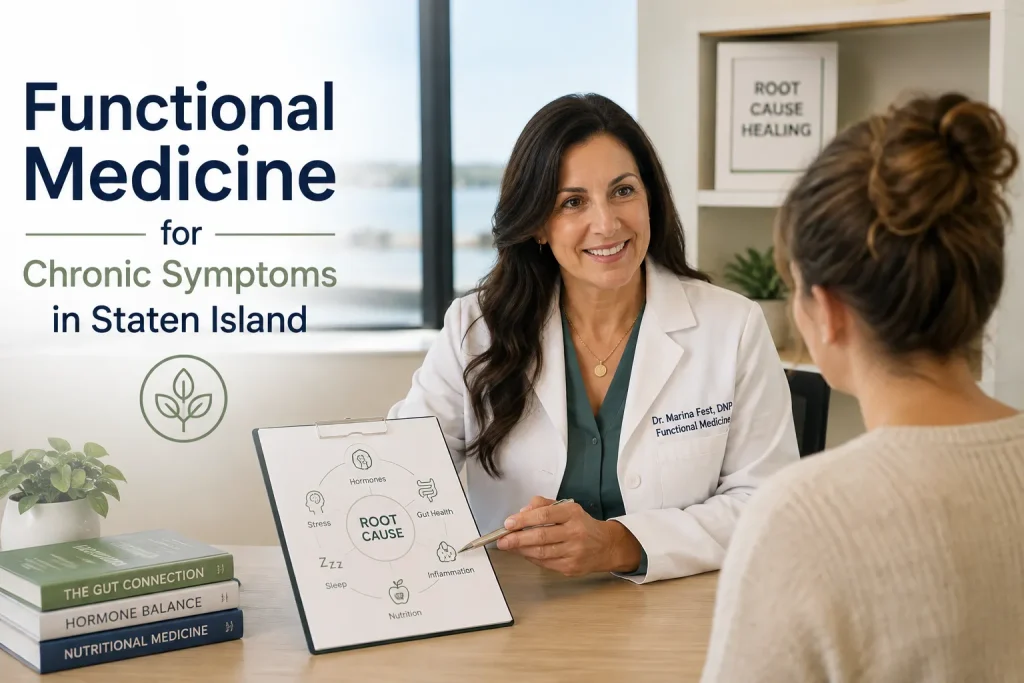
Lifestyle Doctor Wellness also provides functional medicine care for patients who want a deeper evaluation of factors such as digestion, hormones, metabolism, inflammation, nutrition, and lifestyle. Functional medicine does not replace primary care. It can complement it when clinically appropriate, especially for patients with persistent symptoms that are not fully explained by the existing care plan.
We keep the distinction clear because the goals are different. Primary care handles prevention, routine medical needs, diagnosis, acute issues, and chronic disease management. Functional medicine may add a broader systems-based evaluation when there is a specific reason to look deeper.
What Good Coordination Looks Like Between Visits
Coordination also depends on what happens after the appointment. We may need updated specialist notes, recent laboratory results, an accurate medication list, or clarification of the next step recommended elsewhere. Patients can help by bringing medication bottles or an updated list, sharing recent reports, and telling us about hospitalizations, urgent-care visits, new diagnoses, or treatment changes.
A long-term relationship reduces fragmented care
We are a good fit for patients who value a long term relationship with a provider who understands their health history. Over time, a consistent primary-care relationship makes it easier to recognize meaningful changes, understand what has already been tried, and coordinate care without starting from zero at every visit.
Coordinated Primary Care at Lifestyle Doctor Wellness
At Lifestyle Doctor Wellness, Dr. Marina Fest, DNP, provides primary care with an emphasis on continuity, prevention, chronic-care management, and individualized planning. We work to keep the health picture understandable and actionable, while recognizing when another clinician or level of care is needed.
If you are managing several ongoing conditions and want a more organized primary-care relationship, review our primary care services and care timeline or use the website to schedule an appointment.
Frequently Asked Questions
Can primary care manage more than one chronic condition at the same time?
Yes. Primary care can coordinate monitoring and ongoing management across multiple chronic conditions, while involving specialists when a condition requires specialty expertise.
Will you replace my specialists?
No. We coordinate with specialty care rather than replacing it. The goal is to keep specialist recommendations connected to your overall health plan.
What should I bring to a chronic-care appointment?
Bring an updated medication list, recent laboratory or imaging reports, specialist notes if available, and a list of recent changes in symptoms, diagnoses, or treatments.
How does preventive care fit when I already have chronic conditions?
Preventive care still matters. Routine screening, wellness visits, risk assessment, and long-term planning should continue alongside chronic disease management.
Is functional medicine the same as chronic-care primary care?
No. Primary care manages routine medical needs and chronic conditions. Functional medicine may complement that care with a deeper systems-based evaluation when clinically appropriate.
Are same-day primary-care appointments available?
Same-day primary-care options may be available when scheduling permits. Availability can vary, so contact the office for the current schedule.