
Non-surgical cosmetic treatments have transformed how people approach aging and facial enhancement. Two popular options dominate the conversation: Botox and dermal fillers. While both are injectable treatments that reduce signs of aging, they work in completely different ways and address entirely different concerns.
Understanding the difference between Botox and fillers helps you make informed decisions about your aesthetic goals. At Functional Medicine, we believe in empowering patients with knowledge about these treatments so they can choose what truly aligns with their personal needs and desired outcomes.
What Is Botox?
Botox is a purified protein derived from botulinum toxin type A that works as a neuromodulator. It temporarily relaxes specific facial muscles by blocking nerve signals. When injected into targeted areas, Botox prevents muscle contraction, preventing wrinkles from forming during facial expressions such as smiling or frowning.
This muscle-relaxing effect makes Botox particularly effective for dynamic wrinkles around the eyes, forehead, and between the eyebrows. Results typically appear within three to seven days after treatment. The effects last approximately 3 to 6 months, depending on individual factors such as metabolism, muscle strength, and the areas treated during your session.
What Are Dermal Fillers?
Dermal fillers are gel-like substances injected beneath the skin’s surface to restore lost volume and smooth wrinkles. Unlike Botox, fillers do not affect muscle movement. Instead, they physically fill spaces where skin has lost elasticity or where fat has been lost due to natural aging, providing immediate plumping effects.
Most modern fillers contain hyaluronic acid, a substance naturally produced by your body that helps keep your skin hydrated. Other types include calcium hydroxyapatite and poly-L-lactic acid. Each type serves different purposes and lasts for varying periods. Depending on the formula used, fillers can last from 6 months to 18 months or longer.
How Fillers Work
Fillers add volume directly to areas that have become hollow or sunken over time due to aging. They can plump lips, lift cheeks, smooth nasolabial folds, and soften marionette lines effectively. The results are immediate, though minor swelling may occur initially and resolve within days.
The longevity depends on the product type, injection site, and individual metabolism factors. Some newer formulations claim results that last up to 2 years. Your practitioner will recommend the appropriate filler type based on your specific goals and the areas being treated to achieve optimal, natural-looking results that enhance your appearance.
Different Types of Fillers
Different filler formulations suit different facial areas and aesthetic concerns effectively. Thinner fillers are well-suited for fine lines and delicate areas such as under the eyes. Thicker formulations provide structure and support for cheeks, jawlines, and areas requiring significant volume restoration, creating a more youthful appearance.
Your practitioner will recommend the appropriate type based on your specific goals and treatment areas. Some fillers focus primarily on hydration, while others stimulate natural collagen production over time. Understanding these critical differences helps achieve the most satisfying outcomes. At Functional Medicine, we carefully select the best filler for each patient.
Botox vs Fillers: Key Differences
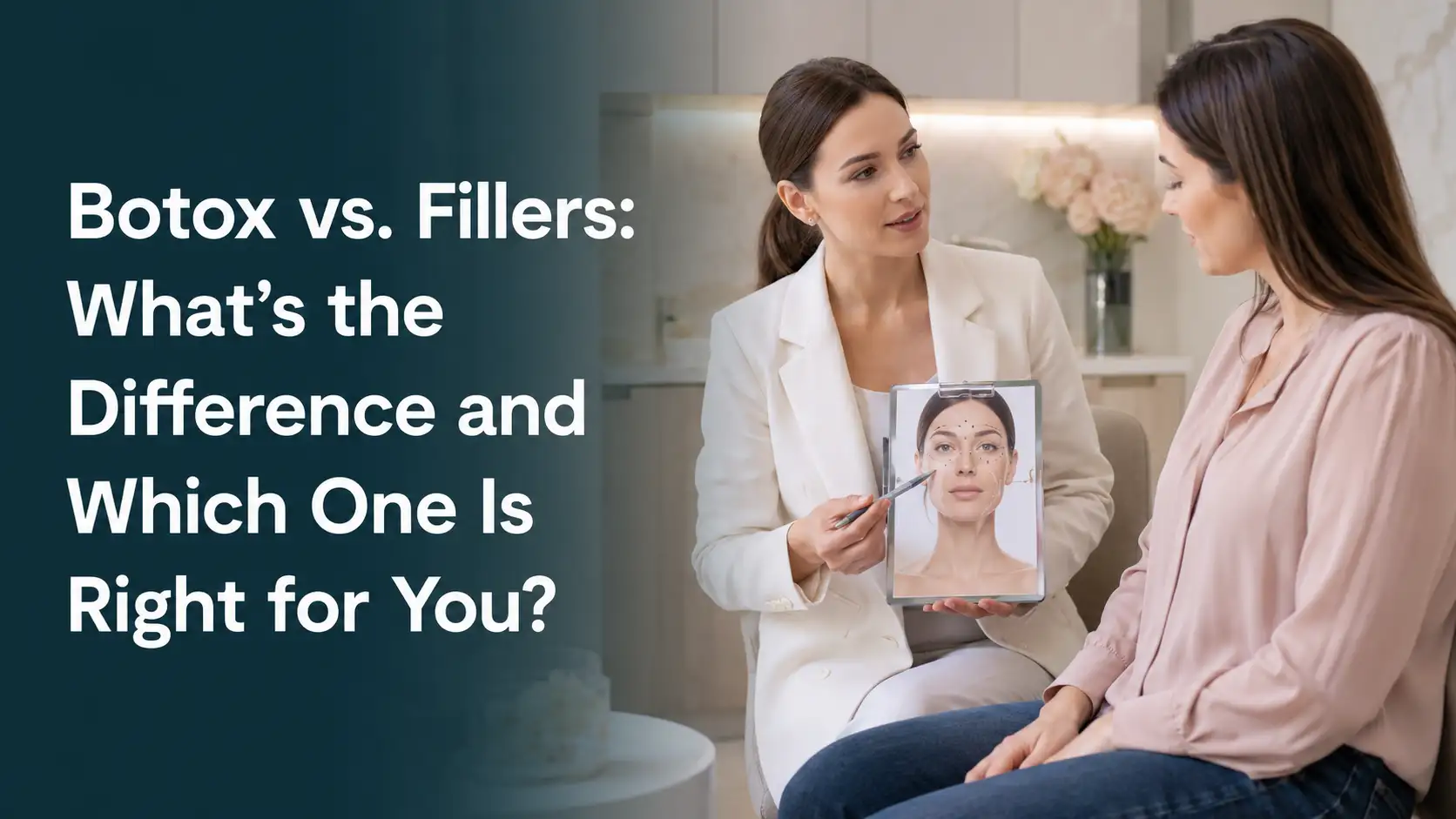
The fundamental difference between Botox and fillers lies in how they achieve results. Botox relaxes muscles that create expression lines, while fillers restore volume to areas that have lost fullness. These distinct mechanisms make each treatment suitable for different cosmetic concerns. Many people wonder whether Botox and fillers are the same.
The answer is definitely no. Botox treats dynamic wrinkles caused by repeated facial movements. Fillers address static wrinkles that remain visible even when your face is relaxed. They serve entirely different purposes in facial rejuvenation. Understanding Botox and fillers helps you choose the proper treatment for your needs.
Treatment Areas
Botox is primarily used in the upper face, effectively treating forehead lines, glabellar lines between the eyebrows, and crow’s feet around the eyes. These expression-related wrinkles form from repeated muscle movement, making Botox ideal for relaxing the specific muscles that cause them, preventing and softening these lines.
Fillers are best suited for the mid to lower face, such as restoring volume to cheeks, enhancing lips, and addressing hollows under the eyes or folds around the mouth. By clearly identifying which areas benefit most from each treatment, you can more easily determine which approach best aligns with your concerns. In some cases, combining both yields balanced facial rejuvenation.
Botox vs Filler for Forehead Lines
Forehead lines present a notable case when comparing Botox and fillers for effective treatment. Horizontal forehead wrinkles typically result from raising your eyebrows repeatedly over the years. Since these are dynamic wrinkles caused by muscle movement, Botox is generally the preferred treatment for effectively smoothing them.
Botox vs. filler for forehead lines depends on the nature of the wrinkles. If your forehead lines only appear when you raise your eyebrows, Botox will provide better results. However, deep-set forehead creases that are visible when your face is relaxed may benefit from fillers alongside Botox for comprehensive correction and optimal results.
Is Botox a Filler?
Many people ask is a filler, and the answer is absolutely no. Botox is a neuromodulator, not a filler. While both are injectables used for cosmetic enhancement, they belong to entirely different categories with distinct mechanisms. The term “Botox filler” is a misnomer that causes significant confusion.
Botox does not fill anything in the traditional sense. It relaxes muscles to prevent wrinkles from forming during facial expressions. Understanding that Botox filler helps clarify treatment expectations. If you need volume restoration or lip enhancement, fillers are the solution. Sometimes people benefit from both treatments for entirely different concerns.
Combining Botox and Fillers
Combining Botox and fillers is not only possible but often recommended for comprehensive facial rejuvenation. This approach addresses multiple aging concerns simultaneously. Botox handles dynamic wrinkles while fillers restore lost volume. Filler and Botox work synergistically without interfering with each other’s mechanisms of action, resulting in enhanced outcomes.
You might receive Botox in your forehead and crow’s feet while getting filler in your cheeks during one appointment. At Functional Medicine, we create customized treatment plans using both Botox & fillers for optimal results. This tailored approach considers your unique facial structure and aesthetic goals to achieve a natural-looking enhancement.
Benefits of Combined Treatments
Using both treatments together creates what many practitioners call a liquid facelift effect. Botox prevents future wrinkles from forming, while fillers restore volume lost with age. This comprehensive approach addresses both dynamic and static wrinkles, delivering more comprehensive facial rejuvenation than either treatment alone.
The combination enables targeted treatment of multiple concerns in a single session. Your practitioner can smooth expression lines, restore cheek volume, enhance lips, and lift sagging areas all at once. This coordinated strategy often yields more natural, balanced results. Many patients find that combining treatments also reduces the overall number of appointments needed.
Treatment Planning for Combined Procedures
Your provider will develop a customized plan based on your facial anatomy and aesthetic goals. They assess which areas need muscle relaxation versus volume restoration. The treatment sequence matters, with some practitioners preferring to inject Botox first, allowing it to settle before adding fillers to ensure precise placement.
Recovery considerations remain similar whether you receive one treatment or both during the same visit. You may experience slightly more swelling or bruising with combined procedures. However, the convenience of addressing multiple concerns simultaneously often outweighs this minor inconvenience. Most people return to normal activities immediately after their appointment.
Botox or Fillers: Which to Choose?
Deciding between Botox and fillers depends entirely on your specific concerns and aesthetic goals. If you are bothered by lines that appear when you make facial expressions, Botox is likely your best option. If you have lost facial volume or want fuller lips, fillers are a better option for restoration.
Consider what bothers you most when looking in the mirror. Do you see lines when you smile or frown? That calls for Botox treatment. Do you notice hollow cheeks or deep folds when your face is relaxed? Fillers can address these concerns effectively. Many people benefit from both treatments, targeting different areas simultaneously.
Duration and Maintenance
The difference between Botox and fillers extends to how long the results last and the required maintenance. Botox typically lasts three to six months before muscles gradually regain movement. Most people schedule maintenance treatments three to four times per year to maintain smooth results. Fillers generally last longer than Botox treatments.
Duration varies by treatment type and location. Hyaluronic acid fillers in the lips may last six to twelve months. Cheek fillers can last twelve to eighteen months or longer. Understanding the longevity of fillers vs. Botox helps with planning and budgeting. While Botox requires more frequent visits, each session typically costs less than filler treatments.
Safety and Side Effects
Both Botox and fillers are considered very safe when administered by trained, qualified professionals with proper experience. However, they carry different potential side effects. Common Botox side effects include mild bruising, temporary headache, or slight drooping if injected incorrectly. These are typically minor and resolve within days after treatment.
Filler side effects may include swelling, bruising, redness, or temporary lumps at injection sites. These usually resolve within a few days to a week. Rare but serious complications can occur if fillers are injected incorrectly. Understanding these Botox and fillers helps you prepare appropriately. Choosing qualified providers is critical.
Cost Comparison
Cost represents another critical difference between filler and Botox for many patients. Botox is typically priced per unit, with treatments averaging $400–$600. Forehead treatments might require twenty to forty units, depending on muscle strength. Fillers are usually priced per syringe, ranging from $600 to $1,000.
Most people need 1 to 2 syringes per treated area for optimal results. When comparing fillers or Botox, consider longevity alongside the initial cost. While Botox costs less per treatment, you may need more frequent treatments. Fillers cost more upfront but last longer, making them more economical over time for specific areas.
Choosing Your Provider
Selecting a qualified provider is crucial, whether you choose Botox or fillers, or both. Look for board-certified dermatologists, plastic surgeons, or trained medical professionals with extensive experience in facial aesthetics. Proper training in facial anatomy ensures both safety and optimal outcomes. Your provider should understand the difference between filler and Botox.
At Functional Medicine, our practitioners undergo rigorous training in injectable treatments. We prioritize natural-looking results that enhance your features rather than dramatically change them. During your consultation, discuss your goals openly and honestly. A good provider will assess your facial structure, explain which treatments are best suited to your needs, and set realistic expectations for results.
Frequently Asked Questions
Which lasts longer, Botox or fillers?
Fillers generally last longer than Botox; results typically last six to eighteen months, compared with Botox’s three to six months for most patients.
Can I get Botox and fillers on the same day?
Yes, many people receive both Botox and fillers in a single appointment, addressing different concerns simultaneously for comprehensive facial rejuvenation and convenience for busy schedules.
Is Botox or filler better for under-eye bags?
Fillers are typically better suited to under-eye bags and hollows, as they add volume to sunken areas that Botox cannot effectively address on its own.
Does Botox or filler hurt more?
Pain levels are similar and generally minimal for both treatments, though filler injections may cause slightly more discomfort due to larger volumes injected into tissues.
Are Botox and fillers permanent?
No, both Botox and fillers are temporary treatments that require maintenance sessions to sustain results and aesthetic benefits, and to maintain a youthful appearance over time.