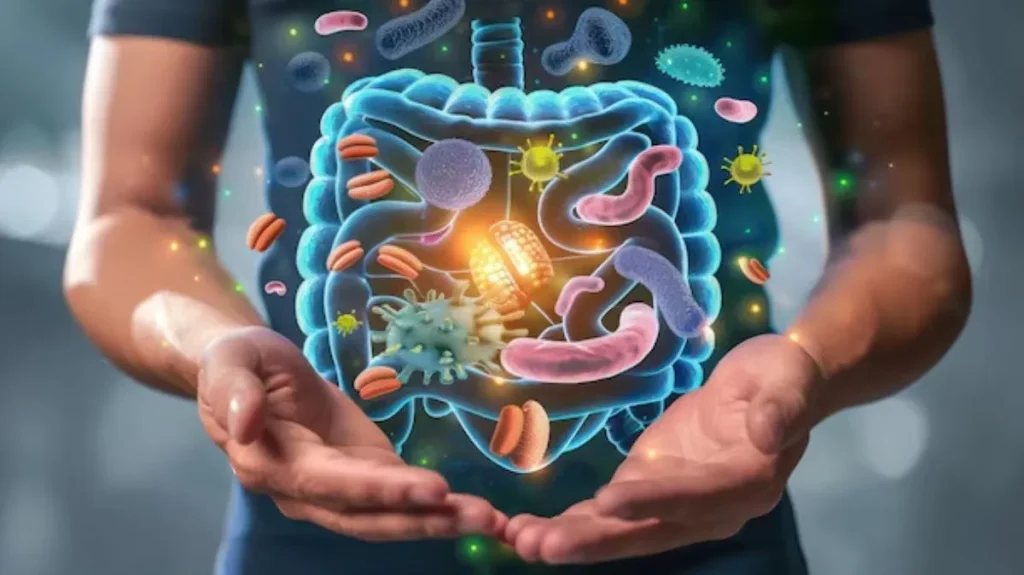
You eat well, sleep enough, and still feel off. Bloating, fatigue, brain fog, and skin flares keep coming back. Your labs say everything is normal. But normal labs don’t always mean nothing is wrong. They often mean the right questions haven’t been asked yet.
At Functional Medicine by Dr. Marina Fest, DNP in Staten Island, we’ve found that the gut is where many of those unanswered questions lead. When the microbiome is disrupted, symptoms appear all over the body. Finding the source is what changes everything.
The Connection Between Your Gut and Your Chronic Symptoms
Most people link gut health only to digestion. But your gut microbiome shapes your immune response, your inflammation levels, your skin, and your energy. When something is off inside that system, the symptoms that show up often look completely unrelated to your stomach or digestion.
That’s exactly why so many patients go years without real answers. The symptoms are real. The connection to the gut just hasn’t been made yet. GI-MAP testing is how we start making that connection with actual data behind it.
What GI-MAP Testing Actually Does
GI-MAP stands for Gastrointestinal Microbial Assay Plus. It uses advanced DNA-based qPCR technology to analyze your gut microbiome in detail. Standard stool tests check for a limited set of pathogens. GI-MAP goes much further than that.
It detects bacteria, parasites, fungi, and viruses. It also measures beneficial bacteria levels, inflammation markers, digestive enzyme function, leaky gut markers, and immune response inside the gut. Dr. Marina Fest, DNP uses all of that data together to understand what’s driving your symptoms at the root level.
Which Symptoms Point to Gut Testing
GI-MAP testing is worth a conversation if you’re dealing with bloating, gas, IBS-like symptoms, constipation, diarrhea, or acid reflux. Food sensitivities, autoimmune concerns, and skin conditions like eczema or acne also often trace back to gut imbalances.
Chronic fatigue and persistent brain fog are two more symptoms that frequently have gut-driven origins. When these appear alongside digestive complaints, or when nothing else has worked, looking deeper into the microbiome is often the step that changes the picture.
How Your Results Shape Your Treatment Plan
GI-MAP results don’t sit in a file. At our practice, they become the foundation of your gut restoration protocol. Dr. Fest builds targeted nutrition strategies, precision supplementation, and lifestyle recommendations directly from what your test identifies.
Nothing is copied from a template. Every plan is based on your specific biology. Dr. Fest also evaluates your hormones, metabolism, inflammation, and lifestyle alongside your gut data, because these systems affect each other and treating them together produces results that actually hold.
Where GI-MAP Fits in Your Full Care Process
GI-MAP testing is part of a structured care process, not a standalone order. It starts with a comprehensive functional evaluation covering your medical history, lifestyle, stress, environment, and prior labs. Diagnostic testing is ordered where it makes clinical sense.
Once results are reviewed, Dr. Fest builds your personalized root cause protocol. From there, your care continues with regular monitoring, protocol adjustments, and follow-up testing as needed. You’re never handed a plan and left to figure it out alone.
Ready to Find Out What Your Gut Is Telling You
If you’ve been dealing with symptoms that haven’t resolved through standard care, gut health testing may be the step you’ve been missing. Dr. Marina Fest, DNP, is accepting new patients at our Staten Island location and would be glad to walk through your health history with you.
Call us at (347) 222-9107, email us at lifestyledoctorwellness@gmail.com, or book your consultation directly online. We’re located at 2627 Hylan Blvd C5, Staten Island, NY 10306. We serve patients from Staten Island, Brooklyn, Manhattan, and surrounding New Jersey communities.
Frequently Asked Questions
What does GI-MAP measure that standard tests miss?
It uses DNA-based qPCR technology to detect bacteria, parasites, fungi, viruses, inflammation markers, digestive enzyme function, leaky gut markers, and gut immune response.
Who is a good candidate for GI-MAP testing?
Patients with bloating, IBS-like symptoms, acid reflux, food sensitivities, eczema, acne, chronic fatigue, or brain fog that hasn’t responded to standard treatment.
How do results lead to a treatment plan?
Dr. Fest uses your specific findings to build targeted nutrition strategies, supplementation, and lifestyle recommendations based entirely on your individual microbiome data.
Is GI-MAP part of a larger care process?
Yes. It’s used alongside a full functional evaluation covering your medical history, hormones, metabolism, inflammation, and lifestyle for a complete root cause picture.